Collection Highlights
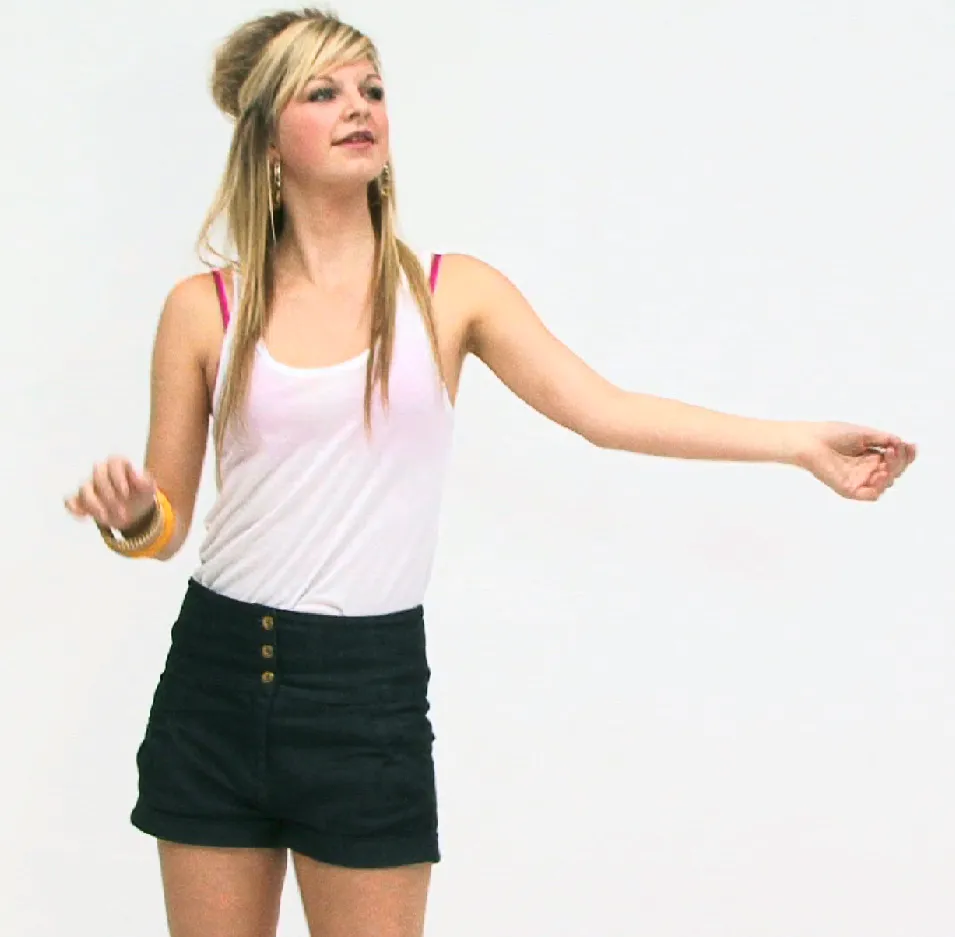
Rineke Dijkstra Netherlands, b. 1959
Emerging in early 1990s, Dutch artist Rineke Dijkstra (b.1959) is known for a complex body of photographic and video work that reconsiders the traditional portrait genre. Her intimate, carefully composed photographs primarily feature young, often adolescent subjects – clubbers, soldiers, migrants, mothers, schoolchildren – captured at moments of transition or vulnerability. Owing to her use of large-format cameras and long exposure times, many of Dijkstra’s models project a stately and dignified composure reminiscent of historical portrait paintings. Her ‘New Mothers’ series from 1994 depicts young women within hours of giving birth; each one stands naked in an unremarkable interior space, holding their baby. The nondescript environments are in fact homes, where it is common for Dutch women to give birth. Unclothed and exhausted, each woman reveals a vulnerable rawness that contrasts sharply with traditional depictions of mother and child in art history.
Whereas Dijkstra’s new mothers face the camera head on, the young woman in Julia, Amsterdam, March 7, 2022 is shown in profile, seemingly unaware of the camera’s presence. Absorbed in her own world, she gazes at her smartphone, her face illuminated by its soft, glowing light. The pose in unusual in Dijkstra’s oeuvre, alluding here to the social isolation and psychological detachment associated with phone addiction, especially in young people. In contrast, the dancing teenagers in the video installation The Krazyhouse are very aware of the camera capturing their every movement against a white studio backdrop. The boys, Simon and Philip, relish the opportunity to perform; despite the absence of a nightclub atmosphere, they energetically dance to the music. Conversely, the girls Dee and Megan are shy and hesitant, self-consciously adjusting their clothes as they slowly gain confidence. As with all of Dijkstra’s works, viewers glimpse the individual personalities of each protagonist, reflecting the artist’s interest in identity and self-revelation.
Other editions of the present work are held in the Louis Vuitton Foundation in Paris, Tate Modern in London, Frans Hals Museum and Stedelijk Museum in Amsterdam (joint acquisition), and The National Gallery of Art in Washington D.C. The Krazyhouse was preceded by a video artwork titledThe Buzz Club, Liverpool, England, March 1, 1996 (1997), which consists of short scenes set against a similar white background in two nightclubs.
Exhibitions
Other works from the edition of The Krazyhouse, Liverpool, UK (Megan, Simon, Nicky, Philip, Dee) have been included in the following exhibitions:
New York, Solomon R. Guggenheim Museum, Rineke Dijkstra: A Retrospective, June – October 2012, pp. 35, 169-176, another ed. exhibited and illustrated.
Frankfurt am Main, MMK Museum für Moderne Kunst, Rineke Dijkstra: The Krazy House, February – May 2013, pp. cover, 92-93, another ed. exhibited and illustrated.
Washington D.C., Corcoran Gallery of Art, Rineke Dijkstra: The Krazyhouse, March – June 2014, another ed. exhibited.
Bilbao, Guggenheim Museum Bilbao, Rineke Dijkstra: The Krazyhouse, November 2014 – January 2015, another ed. exhibited.
Humlebaek, Louisiana Museum of Modern Art, Rineke Dijkstra: The One and the Many, September – December 2017, pp. 155, 162-171, another ed. exhibited and illustrated.
Paris, Fondation Louis Vuitton, Crossing Views, a selection of works from the Collection, September 2020 – January 2021, another ed. exhibited.
Haarlem, Frans Hals Museum, The Rhythm of the Night, November 2022 –January 2023, another ed. exhibited.
Munich, Espace Louis Vuitton, Rineke Dijkstra “The Krazy House”, May – September 2024.